


Furniture

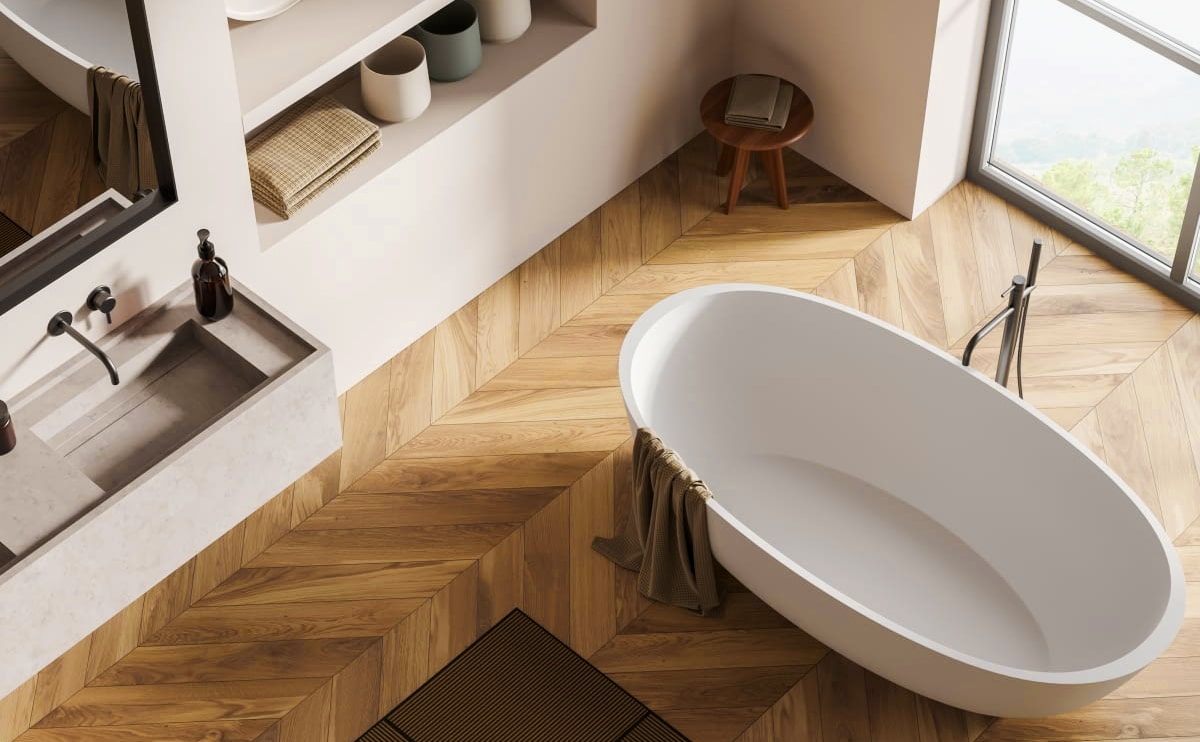
Ethimo mountain style

So how did the classical Latin become so incoherent? According to McClintock, a 15th century typesetter likely scrambled part of Cicero’s De Finibus in order to provide placeholder text to mockup various fonts for a type specimen book. It’s difficult to find examples of lorem ipsum in use before Letraset made it popular as a dummy text in the 1960s, although McClintock says he remembers coming across the lorem ipsum passage in a book of old metal type samples. So far he hasn’t relocated where he once saw the passage, but the popularity of Cicero in the 15th century supports the theory that the filler text has been used for centuries.

Don’t bother typing “lorem ipsum” into Google translate. If you already tried, you may have gotten anything from “NATO” to “China”, depending on how you capitalized the letters. The bizarre translation was fodder for conspiracy theories, but Google has since updated its “lorem ipsum” translation to, boringly enough, “lorem ipsum”. One brave soul did take a stab at translating the almost-not-quite-Latin.

According to The Guardian, Jaspreet Singh Boparai undertook the challenge with the goal of making the text “precisely as incoherent in English as it is in Latin – and to make it incoherent in the same way”. As a result, “the Greek ‘eu’ in Latin became the French ‘bien’ […] and the ‘-ing’ ending in ‘lorem ipsum’ seemed best rendered by an ‘-iendum’ in English.”

Find Your Focus While Working

As an alternative theory, (and because Latin scholars do this sort of thing) someone tracked down a 1914 Latin edition of De Finibus which challenges McClintock’s 15th century claims and suggests that the dawn of lorem ipsum was as recent as the 20th century. The 1914 Loeb Classical Library Edition ran out of room on page 34 for the Latin phrase “dolorem ipsum” (sorrow in itself). Thus, the truncated phrase leaves one page dangling with “do-”, while another begins with the now ubiquitous “lorem ipsum”.

Whether a medieval typesetter chose to garble a well-known (but non-Biblical—that would have been sacrilegious) text, or whether a quirk in the 1914 Loeb Edition inspired a graphic designer, it’s admittedly an odd way for Cicero to sail into the 21st century.

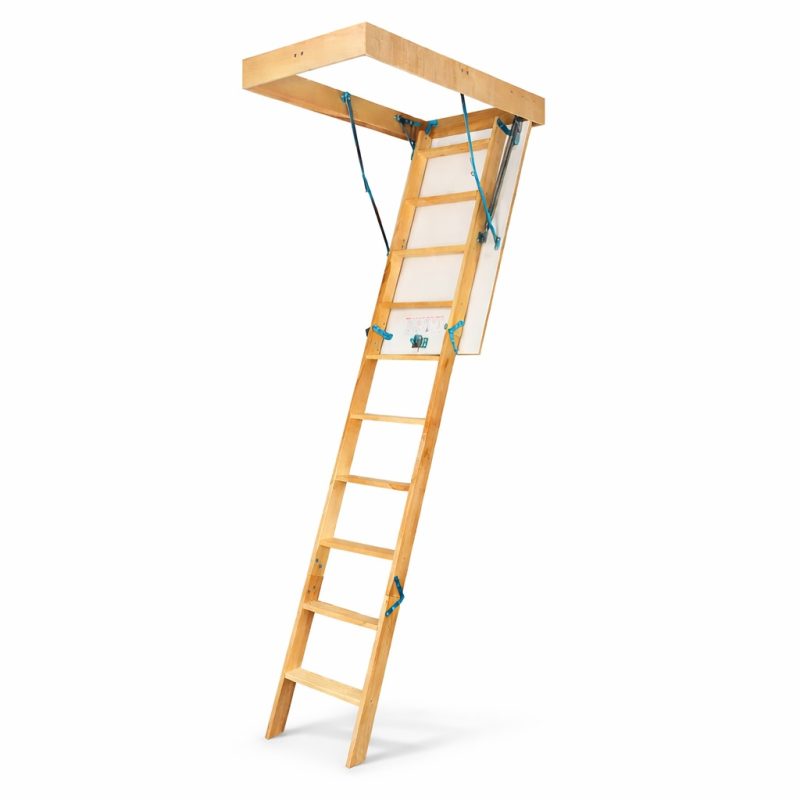
Standard

Interval de prețuri: 455,00 lei până la 529,00 lei
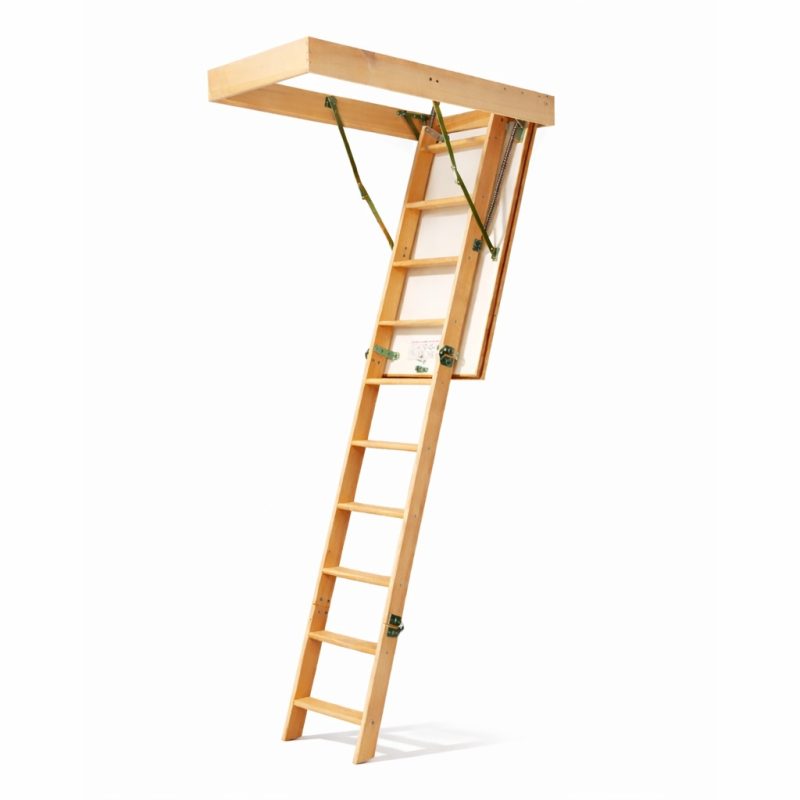
Scara mansardă Standard este o scară pentru pod pliabilă confecționată din lemn de fag combinat cu brad, cu încuietoare metalică și ușă din pal melaminat.
Selectează opțiunile Acest produs are mai multe variații. Opțiunile pot fi alese în pagina produsului.
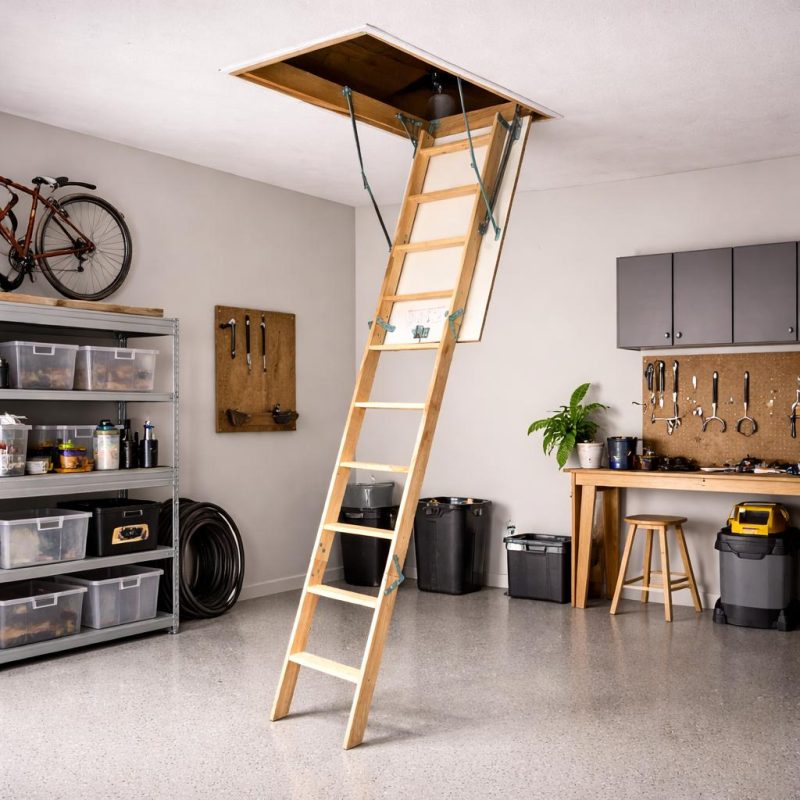
Termo

Interval de prețuri: 640,00 lei până la 710,00 lei
Scara mansardă Termo este o scară pentru pod pliabilă confecționată din lemn de brad sau fag calitate A, cu încuietoare din metal. Ușa tip "sanwich" are o izolație de 30 mm din polistiren și include garnitură de etanșare.
Selectează opțiunile Acest produs are mai multe variații. Opțiunile pot fi alese în pagina produsului.

Termo PLUS

Interval de prețuri: 760,00 lei până la 830,00 lei
Scara mansardă Termo Plus este o scară pentru pod pliabilă confecționată din lemn de fag si brad calitate A, cu încuietoare din metal. Ușa tip "sanwich" are o izolație de 60 mm din polistiren și include garnitură de etanșare. (Pozele sunt cu caracter informativ.)
Selectează opțiunile Acest produs are mai multe variații. Opțiunile pot fi alese în pagina produsului.

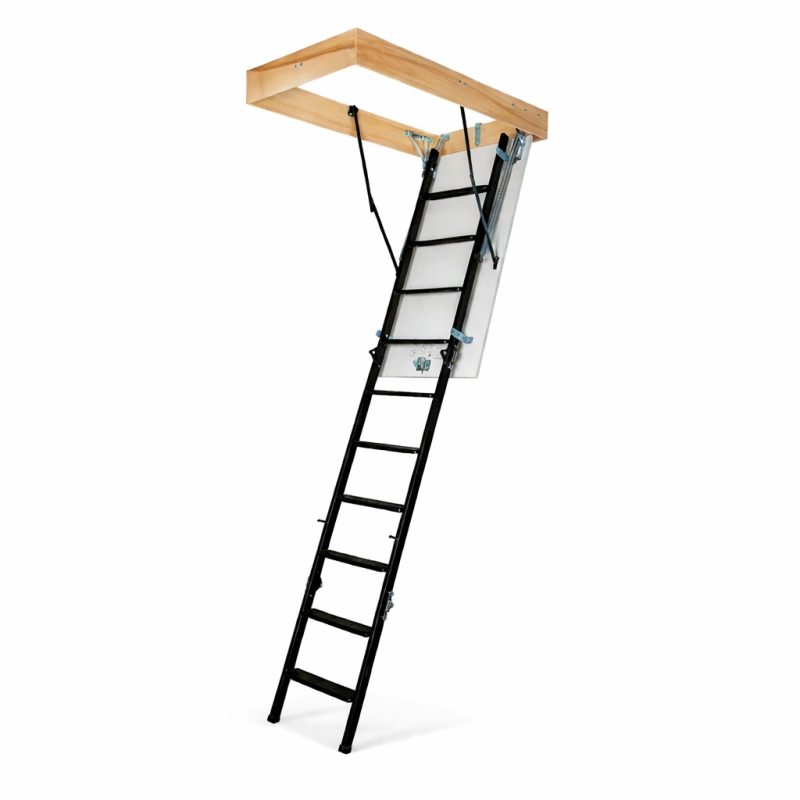
Metal Step

Interval de prețuri: 885,00 lei până la 915,00 lei
Scara mansardă Metal Step este o scară pentru pod pliabilă foarte rezistentă. Scara și treptele sunt din metal cu încuietoare metalică și ușa din PAL melaminat căntuit pe margini. Include și manșoanele din cauciuc.
Selectează opțiunile Acest produs are mai multe variații. Opțiunile pot fi alese în pagina produsului.

Lasă un răspuns

Adresa ta de email nu va fi publicată. Câmpurile obligatorii sunt marcate cu *